The Invention Of Lunch

July 29, 2012 in Daily Bulletin
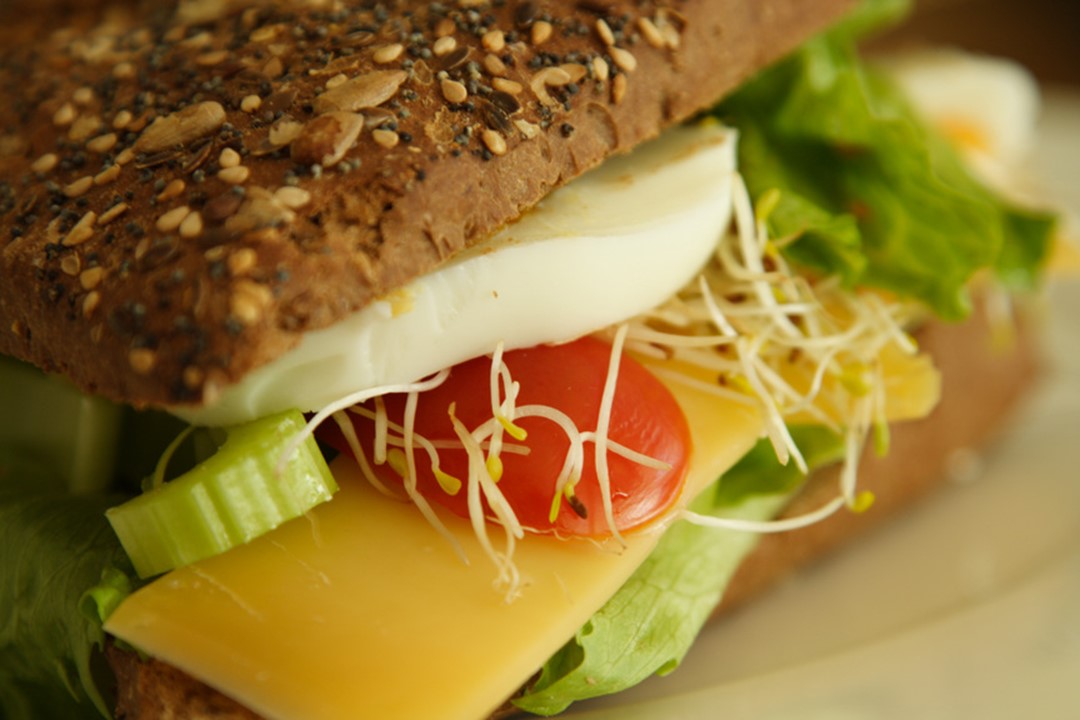
The New York Public Library has a new Lunch Hour NYC exhibition. Nicola had the opportunity to sit down with the creators of the exhibition. Surprising highlights of their conversation include:

  • Lunch as one of the three major meals of the day is a relatively recent creation. Up until 1755 lunch was defined as the amount of food your hand could hold and was regarded as a snack.
  • It began to become a regular meal in 1850 – when urbanization began to rise.
  • Urban life meant that workers couldn’t return home for dinner until late at night and so they needed a mid-day meal to tide themselves over. It was New York that brought the concept of lunch to life.
  • Since lunch was the first meal to be eaten outside of the home it had to be low-cost, fast, and clean. This led to automation and standardization.
  • It was common to have the food prepared behind closed doors – it gave a sense of hygiene to think that the food wasn’t touched by human hands.
  • Oysters used to be a popular street food but over-consumption and pollution reduced their supply, drove up their prices, and transformed them into a luxury food.

To read much more including the role lunch played in the women’s suffrage movement, the speediness of New York’s lunches, the origins of school lunches, the role that JP Morgan played, the concept of the power lunch, the role of culture in our understanding of lunch, why peanut butter became popular, the guides to slicing bed, soda fountain slang, the automat, and pictures of exhibit highlights, click here.

Source: Edible Geography

Via: Kottke
Fairtrade Footwear

July 29, 2012 in Daily Bulletin

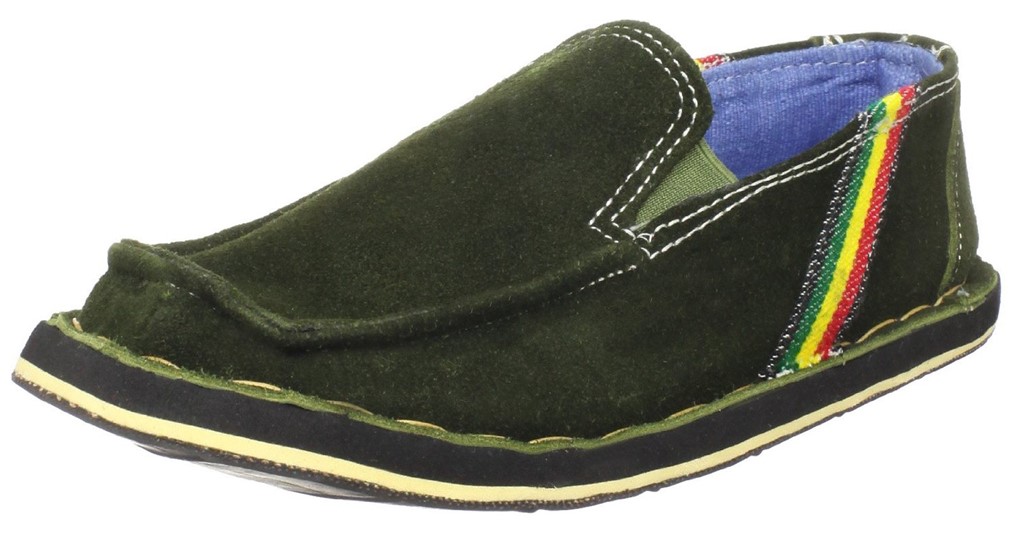
The BBC took a look at the first Fairtrade green footwear firm in the world:

  • In 2004 Ethiopia’s Bethlehem Tilahun Alemu began to sell colourful shoes made of recycled materials such as car tyres.
  • She started a company, soleRebels, which soon grew to sell its products in 55 countries. Austria, Canada, Japan, Switzerland and the US are its biggest markets.
  • The company started with less than $10,000. This year it is on track to having sales of $2 million, and by 2016 it hopes to breach $20 million.
  • The company has 75 full-time employees, and being a Fairtrade firm, pays them up to four times Ethiopia’s average wage. It also relies on more than 200 local suppliers.
  • The shoes are all locally made, from locally sourced materials. soleRebels is able to produce 800 pairs of shoes a day.
  • Forbes has listed soleRebels’ owner as one of Africa’s most successful women.

To read more including where in Ethiopia the company was founded, how the company managed to raise the initial $10,000, what inspired the idea for the company, the inspiration for the designs, why they are selective about the retailers they work with, the unfair practices of some foreign companies, the award she won from the World Economic Forum, and the company’s future plans, click here.

Source: BBC

The Doggie Menu

July 28, 2012 in Daily Bulletin, Signature

We’ve all heard of places which have dogs on the menu. Alina Dizik reported on the rise of restaurants that have menus designed specifically for dogs:

  • Dogs dine along with their owners and get a special menu for themselves. Some of the items include:
    • Bowser beer (nonalcoholic)
    • Frozen raw bone sprinkled with dill
    • Freshly baked dog biscuits made by the pastry chef
    • Lamb stir fry
  • One place offers all of its human-menu items in doggie version. While the food is the same the price is lower for dogs because they require less preparation and don’t include side dishes.
  • Chefs must be careful when designing the doggie entrees. There are foods such as onions, chocolate and dairy products that are unsafe for dogs.
  • Some restaurant owners even consult with vets to ensure their menu will appeal to dogs.
  • There are economic benefits to doing this. Not only does the dog-menu introduce a new revenue source, customers with dogs generally stay longer and order more food and drinks. There is also greater brand loyalty from these patrons.
  • Dog-owners are regulated to the patio – a typically underutilized space. Those who dislike dogs can avoid them by eating inside.
  • One restaurant had to build a separate entrance for dogs because regulations prevented dogs from walking through the human entrance.

The entire article is fascinating and sprinkled with wonderful insights. If you click on the link here you’ll find out how the restaurants deal with dogs that have to use the bathroom, how much these items may cost, what percentage of revenue doggie items make, some other dog-only menu items, how many dogs typically visit such establishments, why owners are concerned that their pets are getting old food, why certain pet owners hate the idea of a dog-only menu, and what restaurant owners and customers have to say.

Source: The Wall Street Journal

Via: Marginal Revolution

The Economics Of The Olympics

July 28, 2012 in Daily Bulletin

The British economy is in trouble writes Matthew Yglesias. Could the 2012 Olympics help it?

  • David Cameron, the Prime Minister, has stated that it should boost the economy by £13 billion over four years.
  • Economists aren’t as certain. While tourism might increase because of the games, other travelers, such as business travelers who give an even larger boost to the economy, might choose not to come to England because of the crowds.
  • Countries that host the Olympics see a 30% boost in their exports. However those countries that apply to host the Olympics, and then fail to get selected, also see the boost. Submitting an Olympic bid is a sign of modernization and globalization. This might be why China wanted to host the games. But actually winning the bid gives no advantage.
  • The fundamental problem with The Olympics is that they encourage investment in sporting facilities – not urban or infrastructure development that would benefit the most people.

To read more about what it means to hold The Olympics in the time of austerity, why cities should use The Olympics as a way to dupe the political system, how The Olympics compare in a time of full employment versus high unemployment, why the 1992 Barcelona Olympics were a success, why the 1996 Atlanta Olympics were a failure, the cost per job created, studies about the topic, and what the British have to say, click here.

Source: Slate

Facial Accents

July 27, 2012 in Daily Bulletin

Daniel Lametti used the Olympics as an excuse to discuss how our facial expressions are in some ways contingent upon our origins:

  • Broadly speaking human facial expressions do not vary across cultures. The corners of the mouth turned upwards are regarded by all as signs of happiness.
  • However evidence suggest that even these basic emotions have ‘accents’ within cultures. Americans can figure out if somebody is Japanese-American or a Japanese-National by observing their facial expressions.
  • Our facial expressions are also mediated by culture. In the presence of a professor while watching a horror movie Americans will exaggerate their negative expressions while Japanese will hide it with a smile.
  • The most distinctive national smile seems to belong to England. They use an extra facial muscle that leads to a more polite looking smile.

To read more including the troubles we have detecting the nationality of neutral faces, an interactive game where you can play “Guess the Smile” and test your own skills, links to the studies and fuller descriptions of them, and the difference between Tom Cruise and Prince Charles, click here.

Source: Slate

A Piranha Disaster

July 27, 2012 in Daily Bulletin

Want China Times reported on a disastrous effort by a local government to deal with a Piranha menace:

  • In the local rivers of Guangxi Zhuang region, there has been an unexplained surge in piranhas.
  • To allay fears the government offered US$160 for each piranha caught.
  • This led to an influx of aspiring fisherman who did an excellent job of killing local marine life, but not so much at catching piranhas.
  • Meanwhile businesses sprang up offering to sell imported piranhas for $1.80 per fish.
  • The government eventually abandoned the effort. 0 piranhas were caught.

To read more including some of the devastating tactics used by the fishermen, how this relates to Jaws, what the government tried to do to prevent this ‘arbitrage’ and much more click here.

Source: Want China Times

Via: Marginal Revolution

The History Of Sliced Bread

July 26, 2012 in Daily Bulletin

When we ask our readers what they think of Centives they normally smile, pat us on the head, and tell us that at least we’re trying. Someday though they will universally stop to say that this website is the best thing since sliced bread. Because, well, sliced bread is pretty awesome, as Kasia Cieplak-Mayr von Baldegg writes.

Someday.

  • It took 13 years of design and perfection to invent the first commercial automatic bread slicing machine.
  • Bakers hated it saying that it was a bad idea since selling sliced bread would mean the bread would go stale faster.
  • Yet when it was finally released in 1928 it was a hit – so much so that it made the front page of the local paper.
  • During WW2 the government tried to ban bread-slicing machines, saying that the country needed blades more than sliced bread. In light of public outcry though the ban was soon dropped.

To read more including the historical origins of the machine, what the original patent looks like, and links to other interesting articles about the history of sliced bread, as well as a video from 1946 about the baking industry, click here.

Source: The Atlantic

Via: Kottke

Sicily’s Crisis

July 26, 2012 in Daily Bulletin

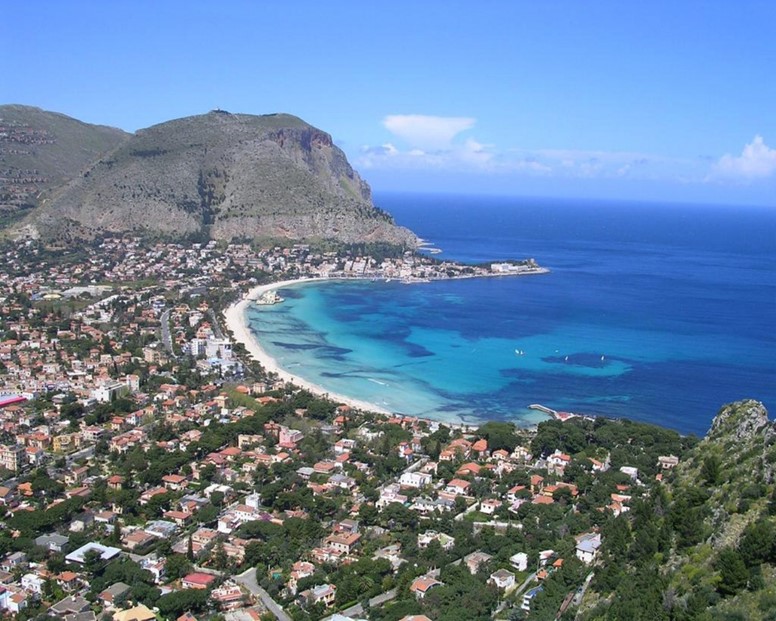
“With its prosperous north and underdeveloped south, Italy is a microcosm of the euro zone itself” writes Rachel Donadio. In an article that looked at Sicily’s problems she highlighted:

  • Sicily – an autonomous region within Italy – has a regional government that employs 1,800 people. This is more than Great Britain’s Cabinet Office.
  • In total the state directly or indirectly employs 100,000 of Sicily’s five million people.
  • These employees draw generous pensions. One man sued and won a case to keep his half a million dollar annual pension.
  • Almost 20% of Sicilians are unemployed, and around double that percentage of young people don’t have jobs.
  • In addition to these issues Sicily is also dealing with a political movement that calls for Sicily’s independence from the rest of Italy.
  • As the private banking sector exits the country, organized crime has seen a boost.

To read more including Sicily’s underlying political dynamic, how it is a bell-weather state, why it gets to keep almost all of its tax revenue, the emergency assistance promised by the central government, what Sicilians have to say about the problem, and the looming shadow of former prime-minister Silvio Berlusconi, click here.

Source: The New York Times

Via: Marginal Revolution

The Economics Of Corporate Crime

July 25, 2012 in Daily Bulletin

In a couple of posts The Economist took a look at the Economics of corporate crime:

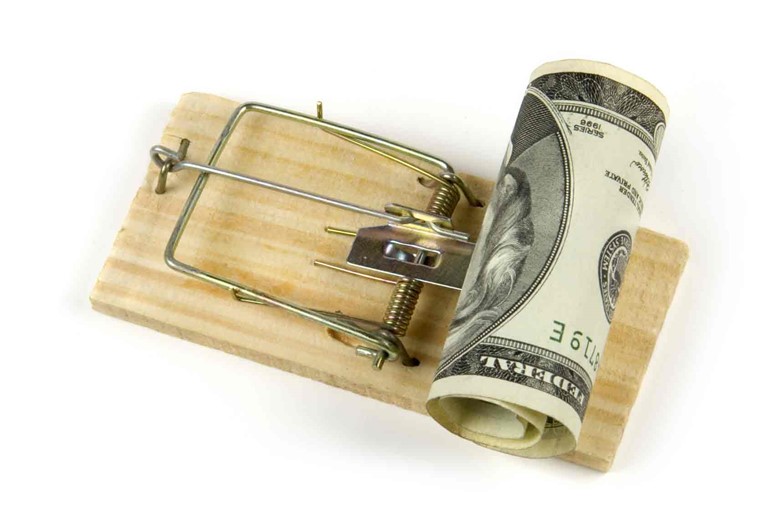
  • If we assume rational actors then corporations are likely to commit crimes if the potential benefits outweigh the costs.
  • If we assume that we detect corporate crimes 10% of the time and that we fine them 40% of revenue, then the expected cost of committing the crime is only 4%. The gains could be much higher – creating an incentive to commit the crime.
  • One way to reduce crime then would be to massively increase fines.
  • However they shouldn’t be prohibitively high since there might be false convictions, and it could lead to less competition.
  • America with penalties of up to 40% does a better job than Britain which maxes penalties at 10%.

To read more including the influential economist who helped established thinking about the subject, the economist who believes that we should let the free market sort it out, recent examples of corporate wrong-doing, how fines have changed over time, how regulators should act, and how this relates to class action law suits, click here and here.

Source: The Economist

The Difficulty Of Making Friends Once You’re 30

July 25, 2012 in Daily Bulletin

Alex Williams described some of the challenges you face when trying to make friends once you get past the age of 30:

  • Your workplace is where you meet the most people however since you are, in some ways, competing against them, you hide your vulnerabilities and quirks.
  • It is also difficult to know when (and if) networking turns into a true friendship.
  • Having a different salary than others can make things awkward – narrowing the potential friendships you can build.
  • Once you find a partner you might want to find other partners to spend time with – but that requires at least four people to like each other.
  • Those that have kids more often than not find themselves spending time with the parents of their kids’ friends, rather than people of their own choosing.

To read more including what the experts have to say, what one man did to solve the problem, the conditions under which people are most likely to form new friendships, how our definition of the word friend evolves over time, when we miss their presence the most, what C.K. Louis has to say about it, and the importance of ‘proximity’ click here.

Source: The New York Times

Via: Kottke