Should Brands Encourage Counterfeits?

September 7, 2012 in Daily Bulletin, Signature

In The Knockoff Economy Kal Raustiala and Chris Sprigman argue that brands actually benefit when counterfeiters sell cheap copies of their products. Highlights from an excerpt posted on Freakonomics include:

  • When people buy a cheap knock-off of a famous product they’re implicitly sending the message that the original is so desirable that it’s worth it to buy a counterfeit.
  • This kind of endorsement is excellent marketing for any brand.
  • Since the counterfeits are often of low quality, it’s very easy to distinguish between the authentic product and the ones you can buy from a street seller.
  • One study found that 40% of those who bought a counterfeit went on to buy the genuine product later on, meaning that the counterfeit is often used as a test run for the original.

Read more about what this means for companies with trademarks by reading the full excerpt over here. You can find the book here.

Source: Freakonomics

How Much Do Artists Make Streaming Songs Online?

September 6, 2012 in Daily Bulletin

Song artists better not want to be billionaires too $#!%ing bad. Matthew Panzarino found out how much an artist makes when we buy one of their songs through iTunes or other services. His findings include:

  • Streaming a song through iTunes makes an artist less than one third of a cent ($0.00330). This means that the song requires at least three plays just to make a penny.
  • Spotify pays more by almost paying a cent for each play ($0.009669).
  • But to list their songs artists need to pay an annual fee of $50. This means they need over 15,000 plays of their songs on iTunes just to break even (the number for Spotify is the somewhat better 5,171.)

Read more about how best to help your favourite artist and the fate of local artists over here.

Source: The Next Web

The Future Of Democracy

September 6, 2012 in Daily Bulletin

David H. Freedman looked at some of the ways that computers could transform democracy. They include:

  • In the future candidates could answer a series of multiple choice questions about their positions, backed with videos of them explaining their opinion. Voters could then see a graph that shows how the candidate’s positions compare to their own.
  • Online voting, because of its convenience, might also increase participation in elections – especially for the smaller races that don’t attract many voters but have a large impact on their lives.
  • An attempt to form an online party that would put up a candidate to fight in the 2012 Presidential election failed. But that doesn’t mean the idea is doomed. Both the Tea Party movement and the Occupy Wall Street Movement got their boost through the internet.

You can read more about the role that Facebook would play in this future over here.

Source: Discover Magazine

A Pyrrhic Victory For Apple?

September 5, 2012 in Daily Bulletin

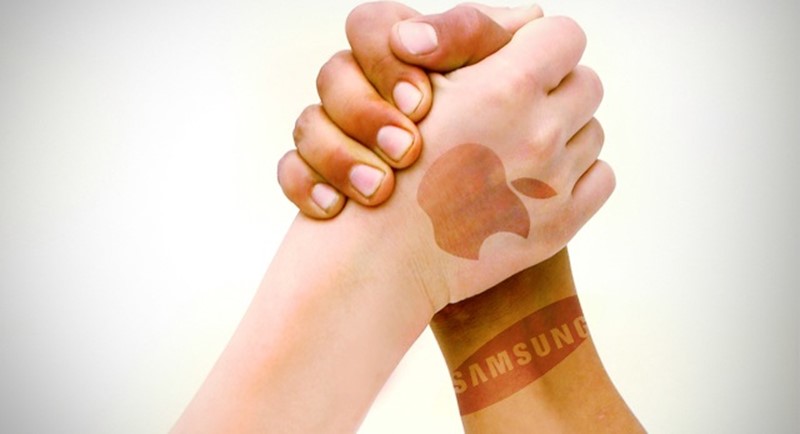
Apple’s victory over Samsung in an intellectual property lawsuit has made international headlines. Yet Clyde Prestowitz believes that Samsung will have the last laugh after all:

  • America is no longer the biggest smart phone market in the world, China is.
  • An American court found that a foreign company had infringed on American patents. Courts in other parts of the world take a differing view. Even if Samsung lost the case in the United States it may well win them in the rest of the world.
  • Samsung has almost double Apple’s global market share. All of this make the American verdict somewhat inconsequential.
  • Apple is also dependent on Samsung for components necessary to make products such as the iPhone. More than 30% of Apple’s value products is said to come from Samsung. The company might now choose to supply the latest innovations to other companies before Apple.

Read the full argument here.

Source: Foreign Policy

Muslim Students In Catholic Colleges

September 5, 2012 in Daily Bulletin

Richard Pérez-Peña reported on a fascinating new phenomenon: the rise of Muslims attending Catholic Colleges:

  • Some of the Muslim students say they enrolled because they felt more comfortable in an environment that encourages piety and faith, even if it is not their own – as opposed to secular institutions that might ignore or suppress it.
  • Others go there because of a more conservative lifestyle that might include single-sex dorms.
  • The colleges, for their part, make an effort to accommodate the students’ needs. These include specially designed prayer rooms and supplying halal meat for special events.

Read more including some of the challenges that the students face over here.

Source: The New York Times

Via: Marginal Revolution

Laughter In Society

September 4, 2012 in Daily Bulletin

Robert Provine looked at the role of laughter in our society. Highlights include:

  • Women are attracted to men who will make them laugh, and men are attracted to women who laugh around them. This might explain why female comedians are rare, and why they generally aren’t considered sexually appealing.
  • Women laugh 127% as much as men in a given audience.
  • Some of these gender differences appear as early as age six.
  • The average speaker laughs 46% more than the audience – the opposite of what happens in standup comedy routines.
  • Perhaps this is why laughter begets laughter. In India one man has built an entire movement around people spontaneously laughing in groups.
  • Most conversational laughter is not a response to a joke. It’s normally the charisma of the speaker that drives laughter.
  • Laughter has a dark side. It is generally present during horrible events such as murder, rape and pillage.

The full article is much longer and it goes into much more detail about many aspects of laughter, including laughter epidemics. You can find it here.

Source: The Guardian

Preparing For A Greek Exit

September 4, 2012 in Daily Bulletin

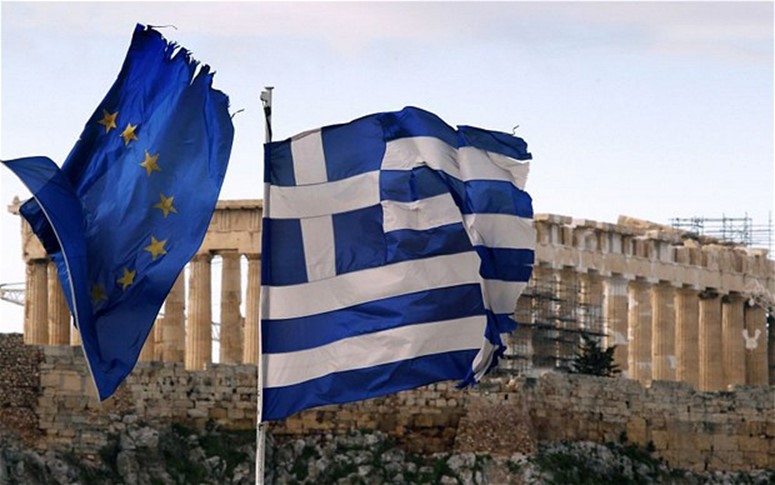
For several reasons it looks like Greece could end up leaving the Eurozone. Businesses, at least, have begun to prepare for that eventuality writes Nelson D. Schwartz. Some of the precautions they have taken include:

  • Ford has updated its vehicle’s computer systems so that they can easily accommodate whichever currency Greece might choose to adopt after it leaves the Euro.
  • Bank of America Merrill Lynch has plans where it could send trucks filled with cash over the border into Athens to help its clients pay their employees.
  • JPMorgan Chase has created accounts that are equipped to handle new currencies for its high profile clients.
  • Visa and MasterCard promise that their systems would minimize disruptions to customers and retailers in the event of a Greek exit.
  • Businesses have also worked with consultancies to identify the possible timeline of a Greek exit. It would likely happen on a Friday after markets have closed. It would then be followed by a bank holiday as strict controls on the flow of capital are introduced.
  • One networking company has introduced a business continuity plan similar to those used to identify a course of action after an earthquake.
  • Another company has refused to extend credit to Greek customers, requiring them to pay in advance.

Read more about the steps that have been taken and what the Eurozone leaders have to say over here.

Source: The New York Times

Via: Marginal Revolution

Bacon Flavoured Coffee

September 3, 2012 in Daily Bulletin

Last week at a coffee competition in New York there was an unexpected winner:

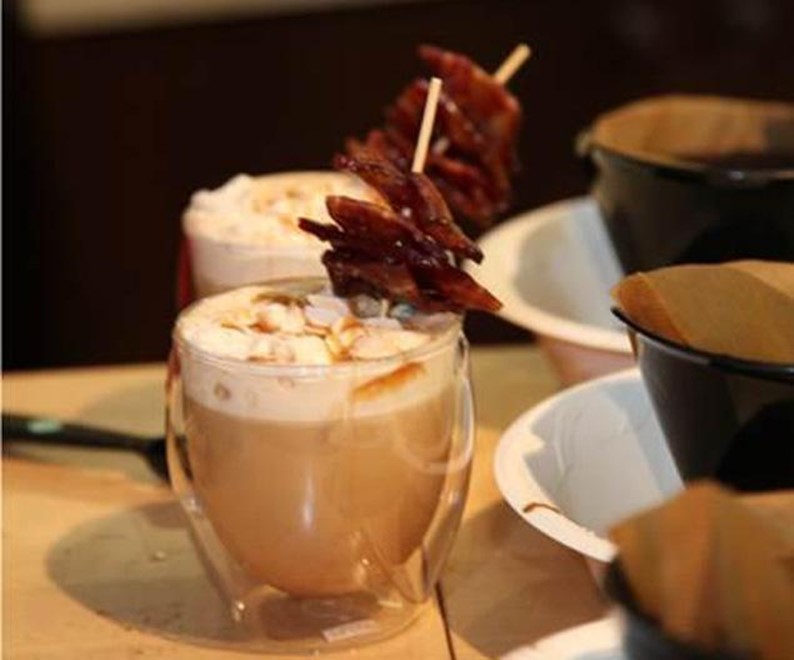
  • Eileen Gannon made bacon flavoured coffee using bacon-flavoured syrup and candied oven baked bacon to win the $10,000 prize.
  • Certain Seattle’s Best Coffee branches will now be featuring the drink.
  • The drink is called “How to Win a Guy With One Sip”
  • Runners-up include a coffee blended with chili powder and cayenne, as well as a raspberry flavoured chocolate coffee.

To read more including other successful creations from Gannon, as well as the calories in a bacon flavoured sundae click here.

Source: Daily News

Prison Food

September 2, 2012 in Daily Bulletin

Adam Aspinall reported on an initiative to help prisoners build careers once they have finished serving their time:

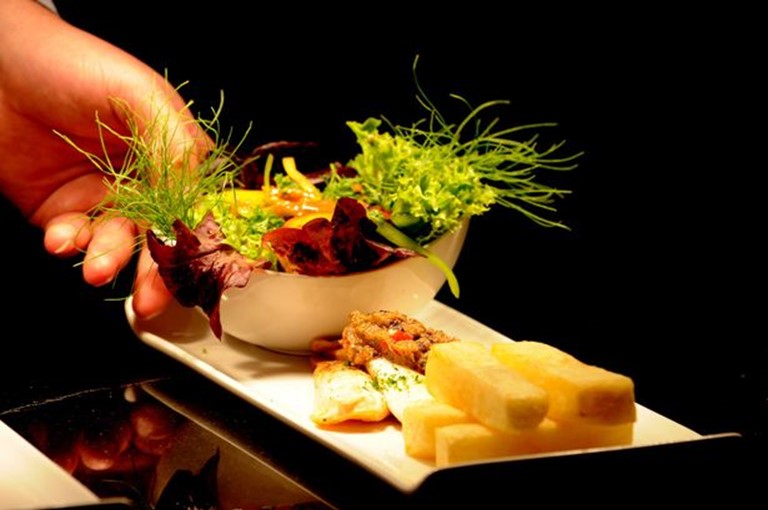
  • Award-winning chef Alberto Crisci is opening a restaurant inside of a Welsh prison in Cardiff.
  • All of the food at the restaurant will be cooked and served by inmates.
  • Only those with between six and 18 months left on their sentence will be allowed to work in the restaurant. No sex or substance abusers allowed.
  • Inmates will be paid £14 an hour, and are expected to work 40 hours a week.
  • The idea is to help the inmates build culinary skills that will allow them to find top jobs in hotels and restaurants, hopefully keeping them away from crime.

Read more about the initiative over here. They are not the first one to try out something like this. Centives has previous reported on similar arrangements in India and Honduras.

Source: Mirror

Via: Marginal Revolution

GPS Systems Today

September 2, 2012 in Daily Bulletin

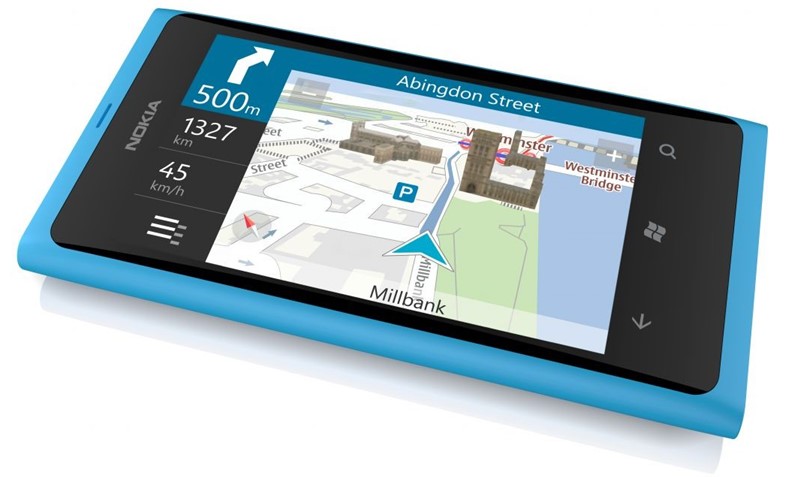
Randall Stross took a look at how GPS systems are used today:

  • GPS units are often unfairly blamed for errors which were ultimately caused by humans, such as the incorrect input of instructions.
  • The systems provide a vast amount of visual information – but under best conditions the driver needs to take 200 milliseconds to glance at the display – enough to cause an accident.
  • Providing voice directions without any digital display may be just as effective at getting people to their destination, but drivers feel uncomfortable relying on audio alone.
  • Today it is possible to find luxury cars with augmented reality technology that present directions directly on the windscreen.

Read more to find out what industry experts have to say over here.

Source: The New York Times