Cloudy With A Strong Chance Of Riots Next Year

September 12, 2012 in Daily Bulletin
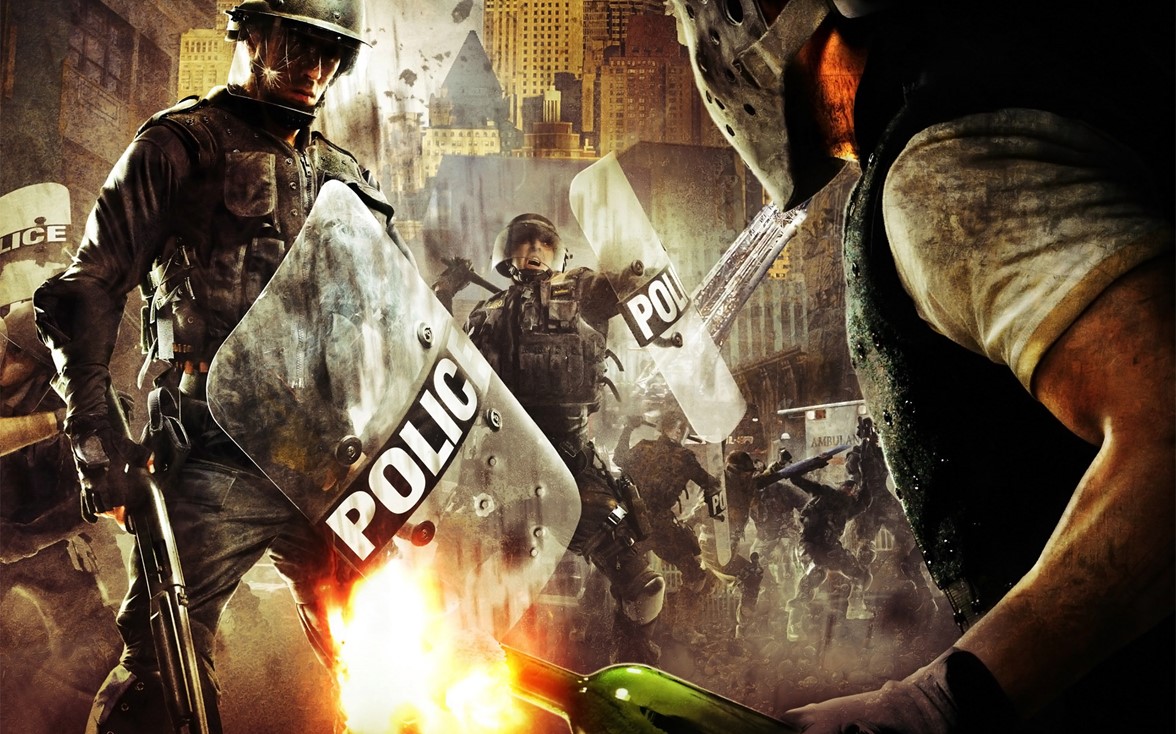
According to some analysts who arguably sort-of predicted the Arab spring, there will be widespread global riots next year, writes Brian Merchant:

  • Statistics show that the single greatest driving factor in creating unrest and riots is hunger. The higher the food price, the greater the likelihood of riots.
  • A food price index of around 220 seems to just about guarantee riots. So far this year the world has hovered within the 210-216 range – perilously close to disaster.
  • But food prices are expected to continue to rise, and the experts predict that in August 2013 the probability of riots will be extremely high.

Read more about the methodology of the study and see an excellent visualization of the relationship over here.

Source: Mother Board

Emma Watson: The Most Dangerous Celebrity On Earth

September 11, 2012 in Daily Bulletin, Signature

According to McAfee, Emma Watson is the most dangerous celebrity in the world:

  • If you search for Emma Watson on the internet there’s a 12.5% chance that you’ll end up on a site that could harm your computer.
  • If you append the words “nude pictures” to your search for “Emma Watson” you further increase your chances of landing on a site that could compromise your computer.
  • In general searching for women on the internet is more dangerous than searching for men.
  • The only male to make the top-20 list of most dangerous celebrity searches is Jimmy Kimmel.

Get the full list over here, and find out who Emma Watson displaced to take the top spot this year.

Source: Slate

Grow Your Own Fruit Salad…On A Single Tree!

September 11, 2012 in Daily Bulletin, Signature

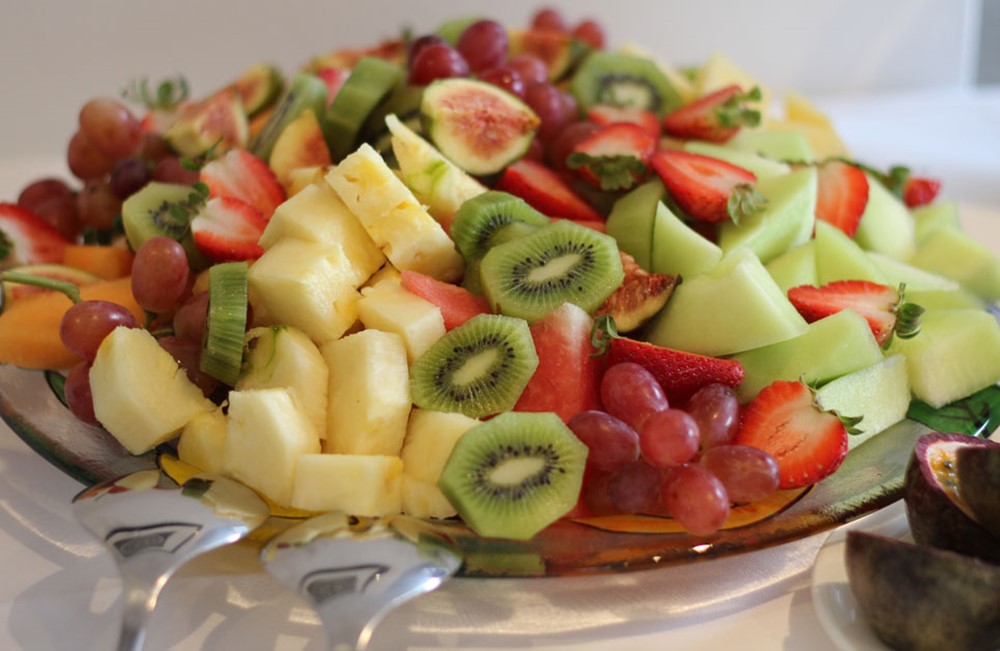
Everybody loves the experience of eating fruits that were grown in one’s own garden. The problem, however, is that few of us have enough space to plant more than a couple plants. As it turns out however it is possible to get a single plant to yield an assortment of fruits…enough to create your own home-made garden picked fruit salad. Ferris Jabr wrote:

  • By combining together the branches and stems of different plants it is possible to create one super organism that grows several different types of fruits.
  • Some examples include a single tree that can grow peaches, plums, nectarines, apricots and peachcots. Another can grow winter oranges, summer oranges, mandarins, lemons, limes, grapefruits, tangelo and pomelos.
  • Farmers have engaged in this practice for years – mostly for practical reasons. They attached the kind of plant they wanted to grow to the roots of another plant that grows well in the local soil. This is why most of Florida’s orange trees have the roots of lemon trees, and why in California the reverse is true.
  • Some of the combinations are quite creative. A pomato plant grows potatoes under the ground and tomatoes above the ground.

Read more about how these plants are made, some ground rules for making them, why you can’t always trust a seed, and some of the other fascinating combinations, over here.

Source: Scientific American

A Boss-Less Corporate Culture

September 10, 2012 in Daily Bulletin

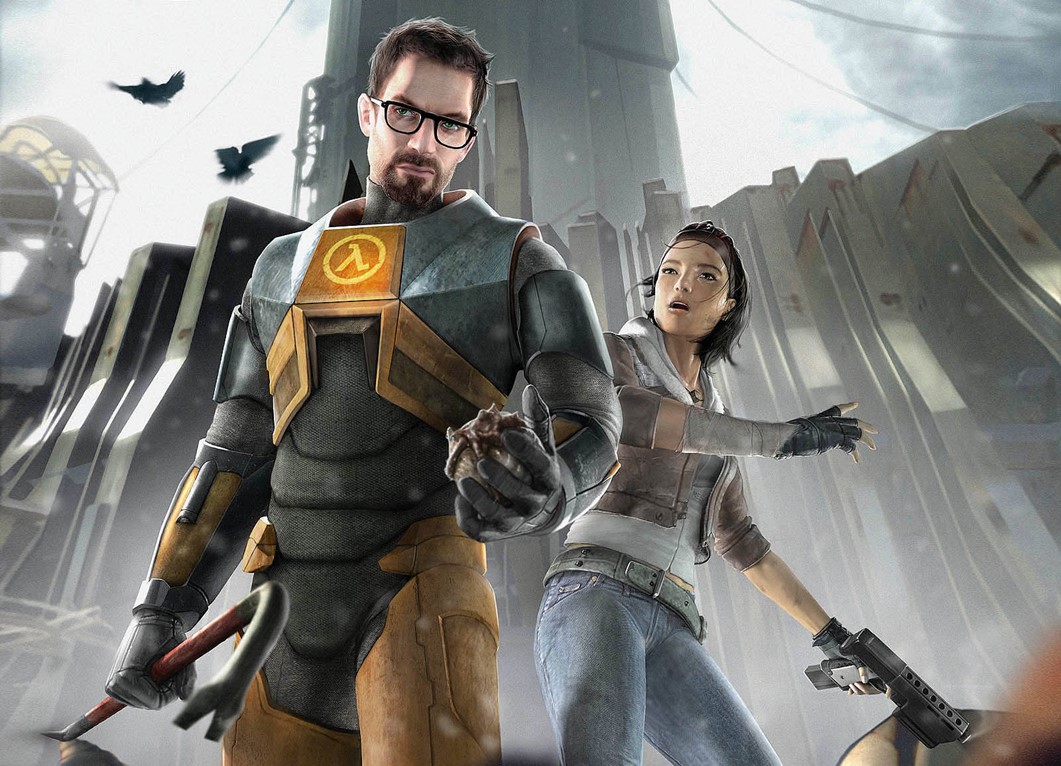
Gamers know Valve as the maker of ground-breaking titles such as Half-Life 2, as well as distribution channel that lets you buy games online. Behind the success of the company is a unique corporate culture writes Nick Wingfield:

  • Valve considers itself to be a ‘boss-less’ company. New employees are told that nobody reports to anybody else.
  • Instead most employees’ desks are on wheels and they are encouraged to find a project that they’re interested in, and then push their desk over to that group.
  • Many of its employees have eccentric qualities. One likes to spray-paint graffiti in his free time; another is leading an initiative to use Valve’s games to teach students physics.
  • The company is privately held and its CEO refuses to entertain the idea of bringing in external investors. Experts suggest that Valve is worth $2.5 billion.

Read more about some of the projects the company is working on, and the challenges it faces over here.

Source: The New York Times

The History Of Nerf

September 10, 2012 in Daily Bulletin

Jason Fagone wrote about some of the history of, and the current challenges for, Nerf the maker of foam weapons:

  • The most frequent request is for Nerf to build guns with greater firing ranges and more ammo capacity.
  • The desire to build a better Nerf gun is so strong that there’s a vibrant modding community. Run a search for it and you’ll find how you can double the firing range, build homemade darts, and even make your Nerf gun look like an AK-47.
  • The history of Nerf begins with a foam ball created in 1969 by the same person who invented the game Twister.
  • In 1989 the first Nerf blaster was sold. It shot foam spheres. Other Nerf products including a football which howled in flight soon followed.
  • The first Nerf gun to fire the now iconic darts was released in 1992.
  • Recent guns include one that can switch between single shot and rapid fire mode, removable parts, and a semi-automatic firing mechanism.
  • The latest addition to the Nerf line is the Hail-Fire pictured above. It fires darts at a speed of 50 miles per hour and holds 144 of them distributed among 8 clips.
  • Hasbro, the parent company of Nerf, relies on sales of the products. It is one of only three product lines (in addition to Beyblade and Transformers) that brought in more than $400 million last year.

Read more about the evolution of the Nerf gun, the design process behind it, and the laboratory in which kids try out the guns over here.

Source: Wired

“Affordable” Space Tourism

September 9, 2012 in Daily Bulletin

Ever wanted to travel to space? It turns out that you have several options available, all catered towards whatever price range you may be looking at. Jesse McKinley reported:

  • For $150 million one company promises to send you to the dark side of the moon by 2017.
  • The budget conscious can go up 60 miles in a two hour flight which includes five minutes of weightlessness for $200,000.
  • If you don’t want to go that low, you can spend $50 million to make a trip to the International Space Station.
  • The space industry is already beginning to see the kind of price competition that might make space trips (relatively) more affordable. Some upstart challengers are promising to cut costs by more than half.
  • The sudden interest in space flights doesn’t come just from advances in technology. There are very few unexplored places left to go on earth and space is the next frontier. There is a primal animal drive – for males especially – to prove their manhood by doing remarkable things. Perhaps this is why 77% of the space customers of one company are male.

Read more about the future of this industry and the various competitors that are trying to dominate the market over here.

Source: The New York Times

Cigarettes: The Ultimate Currency

September 9, 2012 in Daily Bulletin

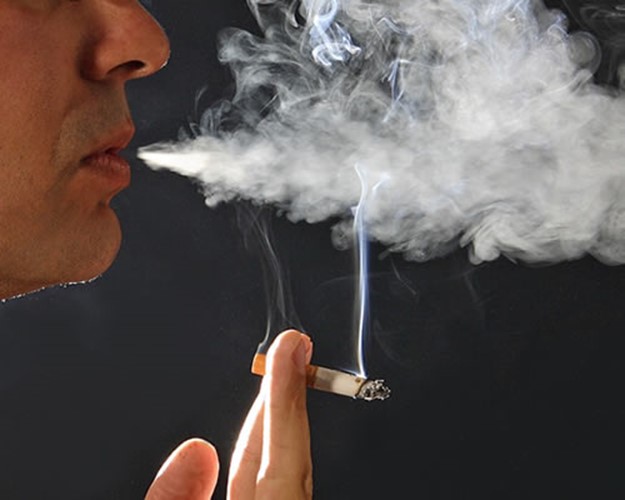
Cigarettes. Is there anything they can’t do? Venessa Wong pointed out that they were arguably the most stable international currency:

  • Luxury cigarettes that cost almost $900 have become a common way to bribe officials in China.
  • In American jails cigarettes were the most widely used currency until they were banned.
  • In Romania in the 1980s Kent cigarettes would be enough to bribe a doctor to see to your sick child. The cigarettes were so widely circulated as currency that they would often go stale.
  • After World War Two wiped out the value of the German currency, Germans would use cigarettes to barter for goods.

You can read more about how cigarettes are viewed today over here.

Source: Business Week

The History Of Military Uniforms

September 8, 2012 in Daily Bulletin

Chris Miller discussed the history of military uniforms. Highlights include:

  • Brightly coloured uniforms used to be the norm in an era before electronic communications. Military commanders needed to be able to look across the field to see how their troops were doing, and the best way to do that was for them to be dressed in a distinctive colour that made them stand out.
  • These uniforms were hot and heavy and many units were lost to exhaustion and heat stroke. Camouflage was considered cowardly.
  • At the turn of the 20th century function began to be more important than form. By the time of World War One only France had brightly coloured uniforms.
  • Trench warfare and fighter planes suddenly made the ability to blend into the terrain very desirable.
  • Old habits died hard though. One World War Two general required units under his command to wear ties into combat.
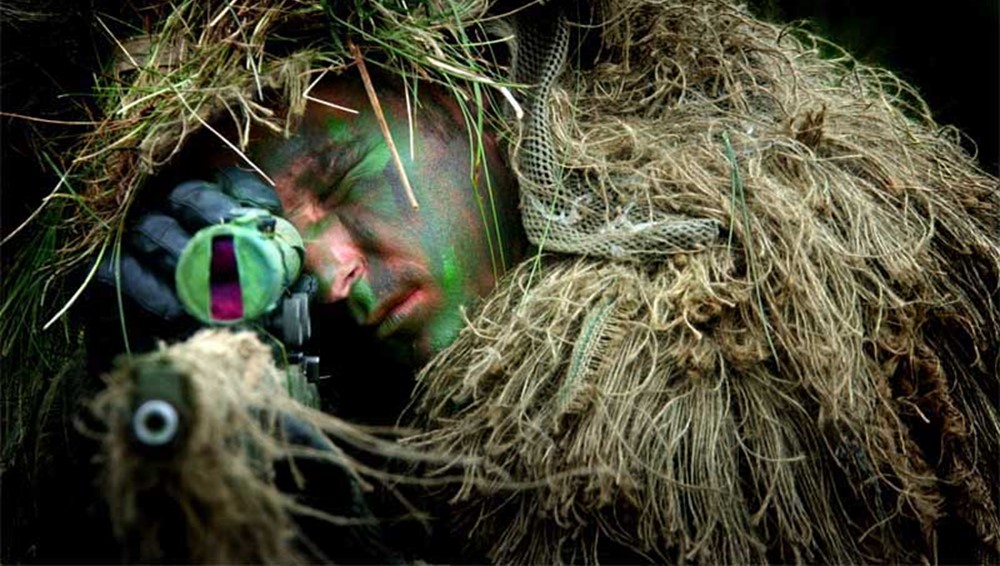
  • While camouflage will remain important for downed pilots and snipers, these days true camouflage is more about blending in with the people and adopting some of their customs and practices.

Read more about the various designs of the American uniform and some of the standards that soldiers today are expected to live up to in a fascinating and engaging article over here.

Source: The Atlantic

The Euro Crisis And Insurance Fraud

September 8, 2012 in Daily Bulletin

The Eurozone crisis has made many desperate to find funds to pay their bills. One avenue that people have turned to is insurance fraud writes Joseba Elola. Some of the more notable cases from Spain include:

  • One woman claimed to have been bitten by a dog, creating a phobia of dogs which prevented her from going to work. The insurance company produced a video of her happily leaving the house to go to her job…at a canine hair salon.
  • Immigrants are burning down their properties to collect the insurance money and fund their migration to another country with better prospects.
  • One man was convinced by his family to take out a €600,000 insurance policy on his arm, and then to cut it off, ostensibly by accident. He was caught because the cut was too clean and he had tried to take off the wedding ring from the severed arm.
  • Certain types of fraud are on the decline. People are not calling in sick as frequently because they don’t want to risk their job.

It’s an upsetting article that shows the desperation that is beginning to set in. You can find it here.

Source: El Pais

Via: Marginal Revolution

What Your Waiter Knows About You

September 7, 2012 in Daily Bulletin

When you sit down for a meal at a restaurant, the waiter might know more about you than you think writes Susanne Craig:

  • In an effort to provide personalized service, more and more restaurants are creating a database of information about your preferences.
  • These include:
    • Where you like to sit
    • Special dates (anniversaries, birthdays etc.)
    • Hard or soft butter
    • Pepsi or Coke
    • Sparkling or Still water
  • This information isn’t always used to help the customer. If you were a camper the last time and stayed at your table for a long time after you finished your meal, your waiter might seat you in an uncomfortable area to encourage you to leave.
  • Restaurants have to be careful with the information. It’s no good to know the name of the wife of the guest. He might, after all, be dining with his mistress.
  • But computers aren’t everything. To provide top service a human touch is required. One manager reads and watches the news to know if potential guests might have had a bad announcement or quarter. He knows then how to approach the customer.

To read more about the different codes used to describe you and why you had better hope you’re a PX and not a HWC click here.

Source: The New York Times

Via: Marginal Revolution